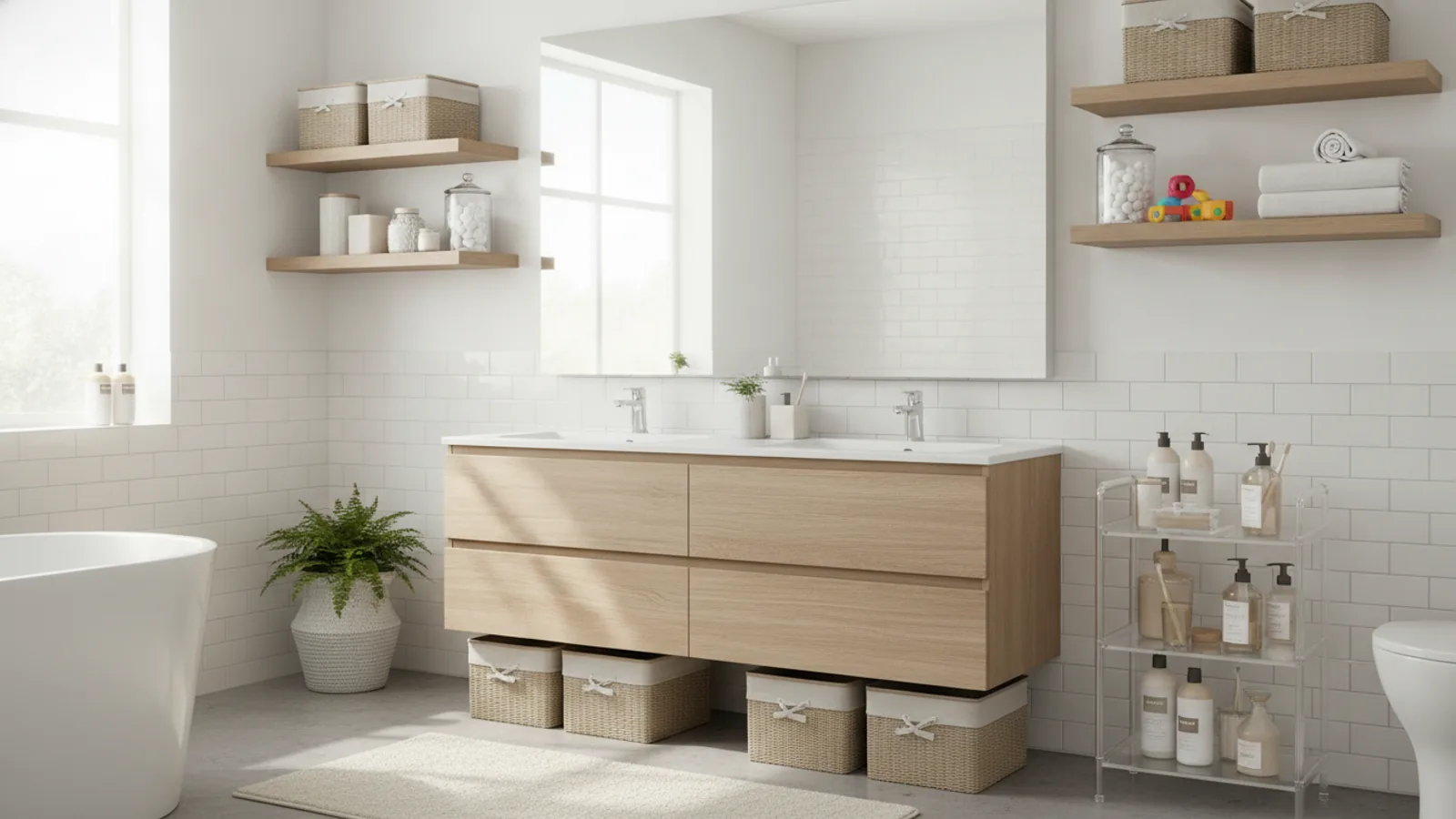
Family Bathroom Storage Ideas
A practical step-by-step guide to family bathroom storage ideas, including preparation, instructions, common issues, tips, and next steps.
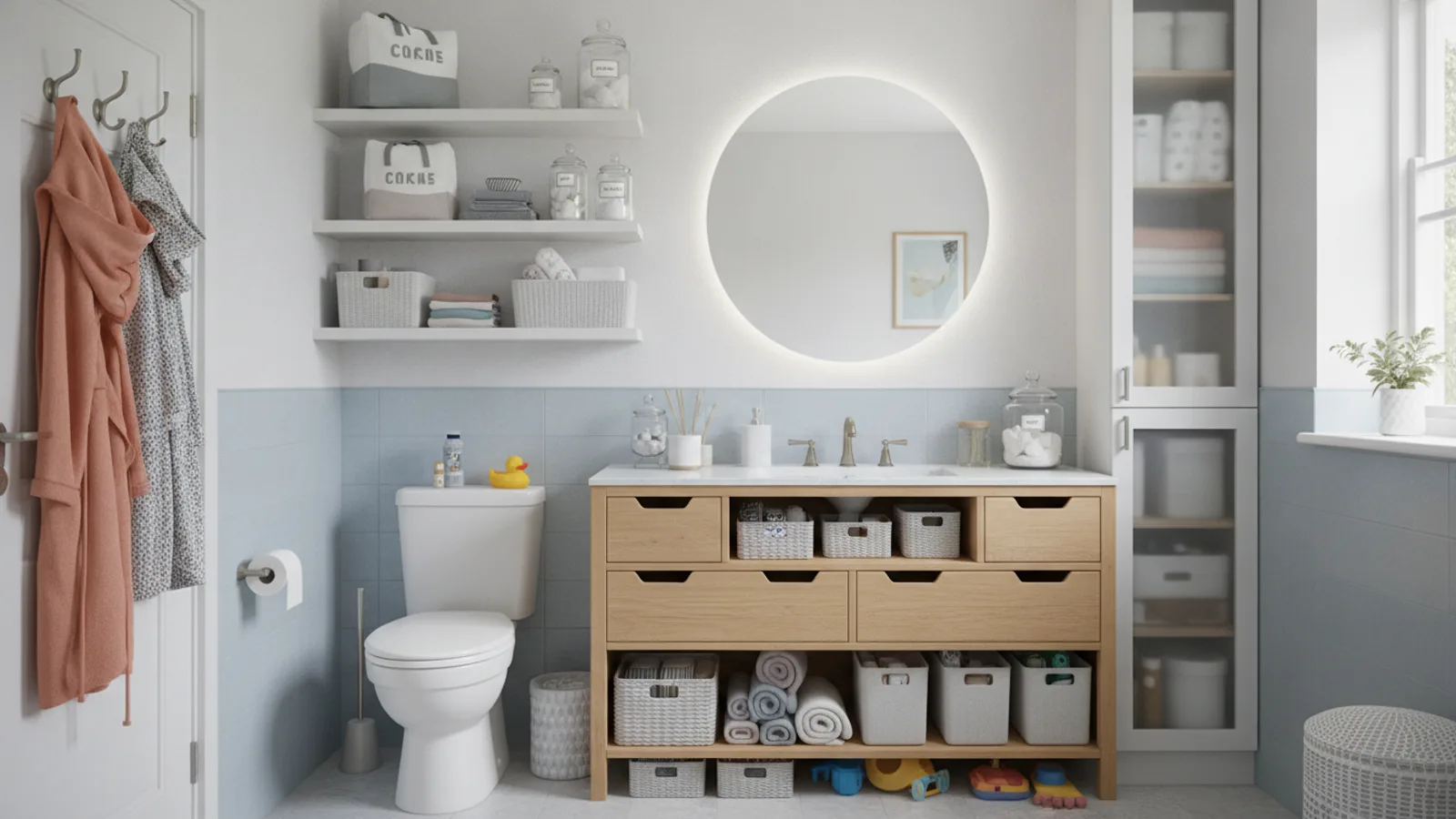
Family Bathroom Storage Ideas
This guide explains how to approach family bathroom storage ideas, including the preparation, practical steps, common mistakes, and final checks that help you finish with confidence.
Before You Start
Step-by-Step Instructions
Quick Reference
Common Problems When You Implement Family Bathroom Storage Ideas
Even with the best intentions, organizing a family bathroom can present unique challenges. Here are some common problems and practical ways to address them:
Not Enough Space for Everyone's Items
One of the most frequent complaints is simply a lack of storage, especially when multiple people share a small bathroom. This often stems from not fully utilizing available space or keeping too many "just in case" items. The fix: Revisit your decluttering. Can you reduce items further? Consider storing bulkier, less-frequently used items (like extra toilet paper packs or backup soaps) in a linen closet outside the bathroom. Maximize vertical space with tall, narrow shelving units or over-the-door organizers. Look for unused spaces like the side of a vanity or the back of a cabinet door for slim caddies.
Items Don't Stay Organized
You've organized, but within days, everything is a mess again. This usually points to a system that isn't practical or easy for everyone to maintain. The fix: Simplify your system. If a container is too hard to open, or an item is too far to reach, it won't get put back. Use open bins or clear containers for easy access. Ensure the "home" for each item is logical and convenient. Sometimes, having fewer organizers but a clearer system works better than too many small, complicated dividers. Review your zones with family input.
Kids Don't Put Things Away
Children, especially younger ones, can struggle with organization, leading to toys and toiletries scattered across the floor or counter. The fix: Make it easy and fun. Use child-friendly, easily accessible storage like large open bins for bath toys. Label everything with pictures as well as words. Involve them in the tidying process, making it a quick daily routine rather than a huge chore. Positive reinforcement and making it a game can help. Ensure their items are stored at their height.
Forgetting What You Have (Leading to Duplicate Purchases)
Hidden storage can sometimes lead to buying a new tube of toothpaste only to find you already have three. This wastes money and adds clutter. The fix: Implement clear storage where possible. For items stored in drawers or opaque bins, consider adding labels that list contents. Keep a running list of bathroom essentials either on your phone or on a small whiteboard in the bathroom so you know what's low and what you already have in stock.
Buying Organizers That Don't Fit
This is a common and frustrating problem that often occurs when people skip the measurement and planning steps. The fix: Always, always measure before you buy. Measure height, width, and depth of cabinets, drawers, and wall spaces. Bring your measuring tape when you shop. Take photos of your bathroom spaces on your phone to reference. Consider adjustable organizers that can adapt to varying sizes.
Advanced Tips for Family Bathroom Storage Ideas
Once you have the basics down, these tips can help you further optimize your family bathroom storage and create an even more functional space:
- Utilize Dead Space: Think beyond traditional storage.
- Embrace Verticality with Purpose: Don't just stack; use tiered solutions.
- Implement a "One In, One Out" Rule: For every new item that comes into the bathroom (e.g., a new shampoo), an old, similar item must leave. This prevents accumulation and forces regular decluttering.
- Smart Shower Storage: Go beyond a basic caddy.
- Clear Containers for Bulk Items: Store cotton balls, Q-tips, bath salts, or extra soaps in clear, airtight containers. This looks tidy, keeps items fresh, and makes it easy to see when you need to restock.
- Designate a "Holding Zone" for New Items: Before immediately putting new purchases away, place them in a small designated basket. This allows you to check if you actually need them or if they'll contribute to clutter, and ensures old items are used up first.
- Elevate with Trays and Platters: For frequently used countertop items (hand soap, lotion, daily contact lenses), place them on a small decorative tray. This instantly makes the counter look tidier and more intentional, even with items on display.
- Consider Smart Lighting: Under-cabinet lighting or inside-drawer lighting can make finding items easier and prevent rummaging, especially in deep, dark cabinets.
Family Bathroom Storage Ideas FAQ
How do I store bath toys without them getting moldy or becoming a mess?
The best way to store bath toys is in a solution that allows them to fully drain and air dry. Options include mesh bags with suction cups that attach to the shower wall, large plastic baskets with drainage holes placed in the tub, or a dedicated toy bin that allows for water runoff. Regularly clean bath toys with a diluted vinegar solution or mild bleach to prevent mold and mildew growth.
What's the best way to store towels in a family bathroom?
For towels, focus on accessibility and space-saving. Rolling towels instead of folding them can save space in cabinets or on open shelves. Wall-mounted towel bars or hooks are great for hanging frequently used towels to dry. For extra towels, consider a linen closet outside the bathroom, or use tall, narrow shelving units within the bathroom if space allows. Over-the-door towel racks can also add significant hanging space.
How can I make my small bathroom feel bigger with smart storage?
In a small bathroom, vertical storage is your best friend. Utilize wall space with floating shelves, over-the-toilet units, or recessed medicine cabinets. Use clear or light-colored containers to reduce visual clutter. Mount items like toothbrushes and soap dispensers to the wall to free up counter space. Consider a pedestal sink with a small storage tower next to it, rather than a bulky vanity. Keep surfaces as clear as possible.
How often should I declutter the family bathroom?
A full, deep declutter (like in Step 1) is ideal at least once or twice a year, perhaps seasonally. However, smaller "mini-declutters" should happen more frequently. A quick check for expired items or things that are no longer used can be done monthly. Incorporating a 5-minute daily tidy-up and a weekly check-in will prevent major clutter build-up between deep decluttering sessions.
How can I get my family to help keep the bathroom organized?
Involvement, clear expectations, and making it easy are key. Involve family members in the initial setup and explain the new system. Use labels (especially visual ones for kids) so everyone knows where things go. Assign age-appropriate tasks, such as putting away bath toys or personal toiletries. Lead by example. Positive reinforcement and making tidying a quick, regular habit (like before bedtime) are more effective than infrequent, overwhelming demands.
Final Checklist for Family Bathroom Storage Ideas
- ✔️ Decluttering Completed: All expired, broken, or unused items have been removed.
- ✔️ Space Cleaned and Measured: Bathroom is clean, and all potential storage areas have accurate measurements.
- ✔️ Storage Zones Established: Clear categories and designated homes for all items and family members are planned.
- ✔️ Right Storage Solutions Chosen: Organizers, bins, and shelves fit the space and needs, purchased after measuring.
- ✔️ Items Logically Arranged: Everything has a home, is easily accessible, and stored safely (e.g., medicines out of reach).
- ✔️ Labels Applied: Containers and shelves are clearly labeled, especially helpful for family members.
- ✔️ Maintenance Routine in Place: A simple daily and weekly tidy-up schedule is established.
- ✔️ Family Involved: All family members understand the new system and contribute to its upkeep.