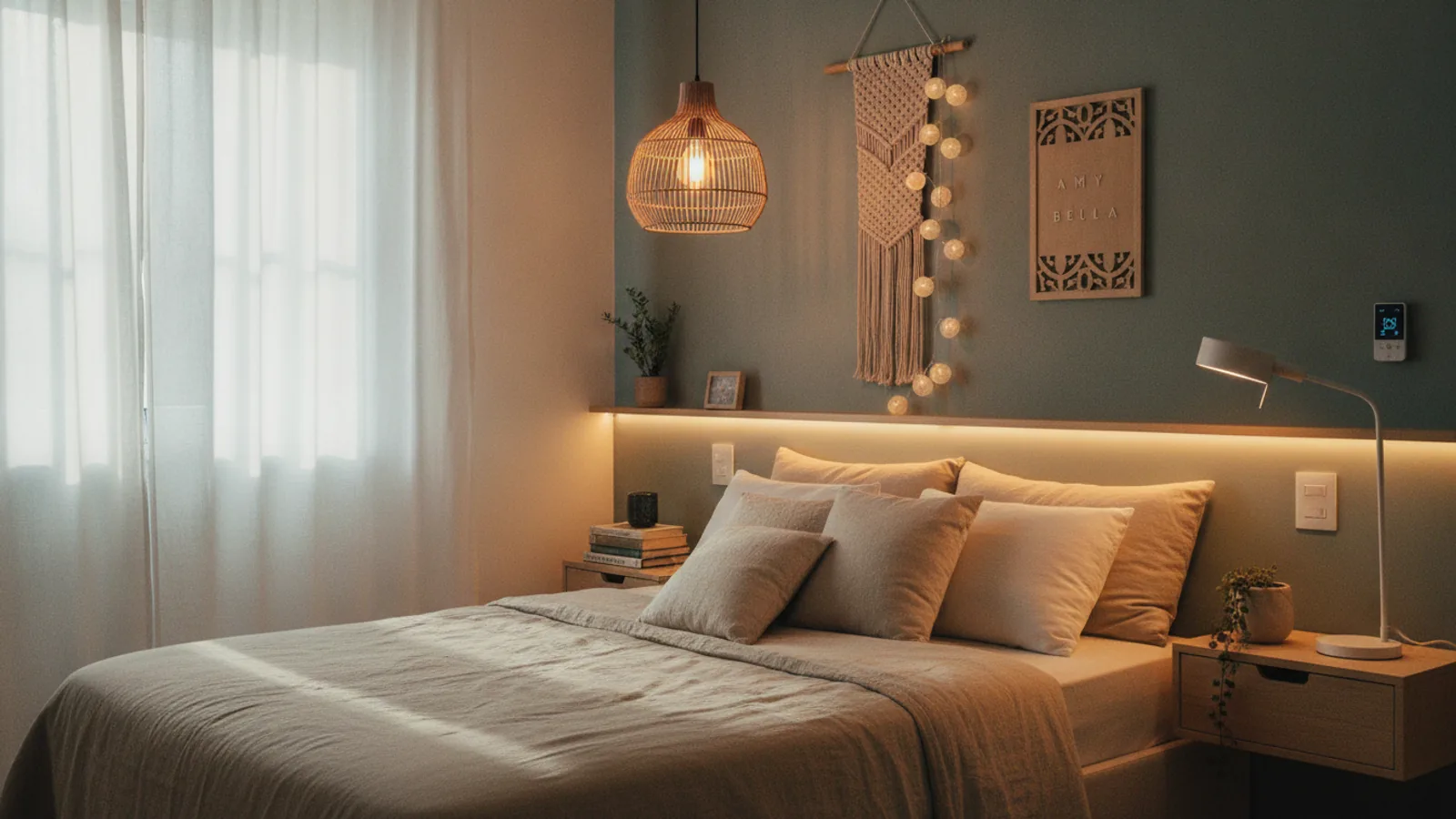
Small Living Room Weekend Refresh Ideas
A practical step-by-step guide to small living room weekend refresh ideas, including preparation, instructions, common issues, tips, and next steps.

Small Living Room Weekend Refresh Ideas
A small living room doesn't have to feel cramped or uninspired. With a single weekend and a clear plan, you can transform your space, making it feel larger, brighter, and more functional. This guide provides practical, step-by-step ideas to refresh your living room without needing a major renovation or a huge budget. Whether you want to improve flow, add personality, or simply make your space more enjoyable, these weekend projects will deliver a big impact.
Fast Answer
- Highest Impact Action: Declutter ruthlessly and rethink your furniture layout.
- Quickest Win: Swap out textiles like throw pillows, blankets, and curtains.
- Best Trick for Space: Use large mirrors and layered lighting to create an illusion of depth.
Before You Start
Proper preparation is the key to a smooth and successful weekend project. Gathering your tools and materials ahead of time means you can spend your weekend making changes, not running to the store. Take a few moments to plan your attack.
- Measuring Tape: Essential for planning furniture layout and buying new items.
- Basic Cleaning Supplies: All-purpose cleaner, microfiber cloths, vacuum, duster.
- Storage Bins or Boxes: For sorting items into "keep," "donate," and "store" piles.
- Picture Hanging Kit: Includes hooks, nails, and wire for creating a gallery wall.
- Level: To ensure shelves and artwork are perfectly straight.
- Optional Paint Supplies: If creating an accent wall, you'll need paint, a roller, a tray, painter's tape, and a drop cloth.
- Optional Power Drill: For installing shelves or mounting heavy items securely.
Step-by-Step Instructions
Step 1: Declutter and Deep Clean for a Fresh Start
The single most effective way to refresh any room, especially a small one, is to get rid of clutter. A clean, organized space instantly feels larger and more calming. This is your foundation for all other changes.
Start by emptying the room of all small decor, books, magazines, and loose items. Sort everything into three piles: keep, donate, or trash. Be honest with yourself about what you truly need and love. For the items you're keeping, find a proper storage spot for them outside the living room if they don't belong there.
Once the surfaces are clear, perform a deep clean. Dust everything from top to bottom—ceiling fans, light fixtures, and the tops of window frames. Wipe down walls, baseboards, and light switches. Vacuum or mop the floor, making sure to get under all the furniture. A truly clean room provides a blank canvas for your refresh.
Step 2: Reimagine Your Furniture Layout
How your furniture is arranged has a huge impact on how a room feels and functions. Many people push all their furniture against the walls, thinking it will save space. Often, this can make a room feel static and even smaller. This weekend, try a new arrangement.
First, identify the room's focal point. This could be a window with a great view, a fireplace, or the wall where your TV is. Arrange your main seating, like the sofa, to face this focal point. Then, arrange other seating, like chairs, to create a conversational area. The goal is to make it easy for people to talk to each other without shouting across the room.
Ensure you leave clear traffic paths—at least 30-36 inches for main walkways. You shouldn't have to weave around furniture to get through the room. If you're unsure, try "floating" your sofa by pulling it a few inches away from the wall. This small gap creates a sense of airiness.
Step 3: Brighten the Room with Layered Lighting
Lighting is one of the most overlooked elements of interior design, yet it's crucial in a small space. A single overhead light can cast harsh shadows and make a room feel flat. The solution is to use layered lighting.
Aim for three types of light:
- Ambient Lighting: This is the main, overall light source, like your ceiling fixture. If it's too harsh, consider adding a dimmer switch or swapping the fixture for something that diffuses light more softly.
- Task Lighting: This is focused light for specific activities, like a floor lamp next to a reading chair or a small lamp on a side table.
- Accent Lighting: This is used to highlight specific features, like a piece of art or a plant. A small, adjustable spotlight or a picture light works well for this.
Also, check the color temperature of your light bulbs. For a living room, look for bulbs labeled "soft white" or "warm white" (around 2700K-3000K). This creates a cozy and inviting atmosphere, unlike the harsh, blueish light of "daylight" bulbs.
Step 4: Create a Focal Point with an Accent Wall
An accent wall can add depth and personality to a small room without overwhelming it. It draws the eye, making the room feel more interesting and thoughtfully designed. You have several options for creating one over a weekend.
The easiest method is paint. Choose one wall—ideally the one your eye is naturally drawn to when you enter the room, or the one behind your sofa—and paint it a darker or bolder color than the other three walls. This can be a deep blue, a warm terracotta, or a rich green. This contrast makes the wall appear to recede, which can make the room feel deeper.
If you're renting or hesitant to commit to paint, removable wallpaper is a fantastic alternative. It comes in thousands of patterns and is easy to apply and remove. Another great option is to create a gallery wall. Gather your favorite photos, prints, and small art pieces and arrange them in a cohesive group on one wall. Use frames of a similar color or style to tie it all together.
Step 5: Refresh Textiles and Soft Furnishings
One of the fastest and most affordable ways to change the look and feel of your living room is by updating your textiles. This includes throw pillows, blankets, curtains, and the area rug.
Start by choosing a new color palette or a theme. You could go for earthy tones, bright pops of color, or a mix of patterns. Swap out your old throw pillow covers for new ones that fit your theme. Add a new, cozy throw blanket over the arm of your sofa or a chair. These small changes add color, texture, and comfort.
Your area rug is also critical. A rug that is too small can make a room look disjointed. The general rule is that at least the front legs of your sofa and chairs should be on the rug. This connects the furniture and defines the seating area. Finally, consider your curtains. To make the room feel taller, hang your curtain rod 4-6 inches above the window frame and extend it 3-6 inches on either side. Choose light, airy fabrics to let in as much natural light as possible.
Step 6: Use Mirrors and Art to Add Depth
Mirrors are a classic tool for making small spaces feel larger. They reflect light and create an illusion of depth. The key is strategic placement.
The best place for a large mirror is on the wall opposite your largest window. This will capture the natural light and bounce it back into the room, making the entire space feel brighter and more open. You can also place a mirror behind a lamp to amplify its light in the evening.
When it comes to artwork, think big. It might seem counterintuitive, but one large piece of art often works better in a small room than several small pieces scattered around. A large painting or photograph can act as a powerful focal point and makes the wall feel more expansive. If you have several small pieces, group them together in a gallery wall as mentioned earlier, so they read as one large visual unit.
Step 7: Maximize Vertical Space for Storage
In a small living room, the floor is prime real estate. To free it up, you need to think vertically. Using your walls for storage and display draws the eye upward, making the ceiling feel higher and the room feel more spacious.
Floating shelves are an excellent choice. They provide storage for books, plants, and decor without the visual bulk of a traditional bookcase. Install a set of two or three shelves above your TV or on a blank wall.
If you need more substantial storage, opt for a tall, narrow bookcase instead of a low, wide one. This draws the eye up and takes up less of a footprint. Look for furniture with legs (leggy furniture) that raises it off the ground. Seeing the floor underneath a sofa, console table, or armchair creates a sense of openness.
Common Problems When You Refresh a Small Living Room
Even with a simple weekend project, you can run into a few common issues. Here’s how to solve them.
- The room feels more cramped than before. This usually happens when furniture blocks natural walkways or if a new piece is too large for the scale of the room. The fix is to simplify. Try removing one piece of furniture (like a side table or an extra chair) to see if it improves the flow. Ensure there's a clear path from one door to another.
- The new accent color looks wrong. The color of paint on a wall can look dramatically different from the swatch in the store due to your room's lighting. Before painting a whole wall, always buy a sample pot and paint a large square on the wall. Observe it throughout the day and evening to see how it changes in natural and artificial light.
- The space feels cluttered with new decor. It's easy to get excited and add too many new things. The key to decorating a small space is careful editing. Follow a "one in, one out" rule: for every new decor item you bring in, an old one should go. Group smaller items together on a tray to make them look intentional rather than scattered.
Advanced Tips for Your Weekend Refresh
Ready to take your small living room to the next level? These advanced tips can create an even more polished and functional space.
- Choose Multi-Functional Furniture. Every piece in a small room should work hard. Look for an ottoman with hidden storage, a coffee table that can be raised for dining, or C-shaped side tables that can slide under the sofa to save space.
- Follow the 60-30-10 Color Rule. To create a cohesive and calming look, use this designer trick. Your main color (likely a neutral on the walls) should make up 60% of the room. Your secondary color (furniture, rugs) should be 30%. Your accent color (pillows, art) should be the final 10%. This creates balance and prevents the room from feeling chaotic.
- Go Monochromatic. Painting your walls, trim, and even shelves the same color can make a small room feel much larger. This technique blurs the lines where walls end and begin, creating a seamless, expansive effect.
- Select Furniture with a Low Profile. Sofas and chairs that are lower to the ground can make ceilings appear higher. This is a subtle trick that adds to the overall feeling of spaciousness.
Quick Reference
| Situation | Use this | Why |
|---|---|---|
| Room feels dark and gloomy | Layered lighting (ambient, task, accent) and a large mirror | Distributes light evenly and reflects both natural and artificial light, making the space brighter. |
| Room feels cramped and hard to walk through | "Leggy" furniture and a simplified layout with clear traffic paths | Lifting furniture off the floor creates visible floor space, and clear paths make the room function better. |
| Room feels boring and lacks personality | An accent wall, new textiles (pillows, rug), and personal artwork | Adds a strong focal point, introduces color and texture, and makes the space feel unique to you. |
| Room feels small and boxy | Vertical storage (tall shelves) and curtains hung high and wide | Draws the eye upward, making the ceiling feel higher and the windows appear larger. |
Small Living Room Weekend Refresh Ideas FAQ
What is the best color to paint a small living room?
How can I make my small living room look expensive on a budget?
Should all my furniture match in a small living room?
What is the biggest mistake people make when decorating a small living room?
Final Checklist for Your Weekend Refresh
Before you put your feet up and enjoy your newly refreshed space, run through this final checklist to make sure you've covered all the bases.
- You have fully decluttered and deep cleaned the entire room.
- Your new furniture layout allows for easy movement and conversation.
- Lighting is layered, with sources at different heights for a warm glow.
- You've added a personal touch, whether it's a new piece of art, a plant, or photos.
- Textiles like pillows and throws have been updated to add color and texture.
- All tools and supplies are cleaned and put away.
- You've taken a moment to step back and appreciate the transformation you accomplished in just one weekend.