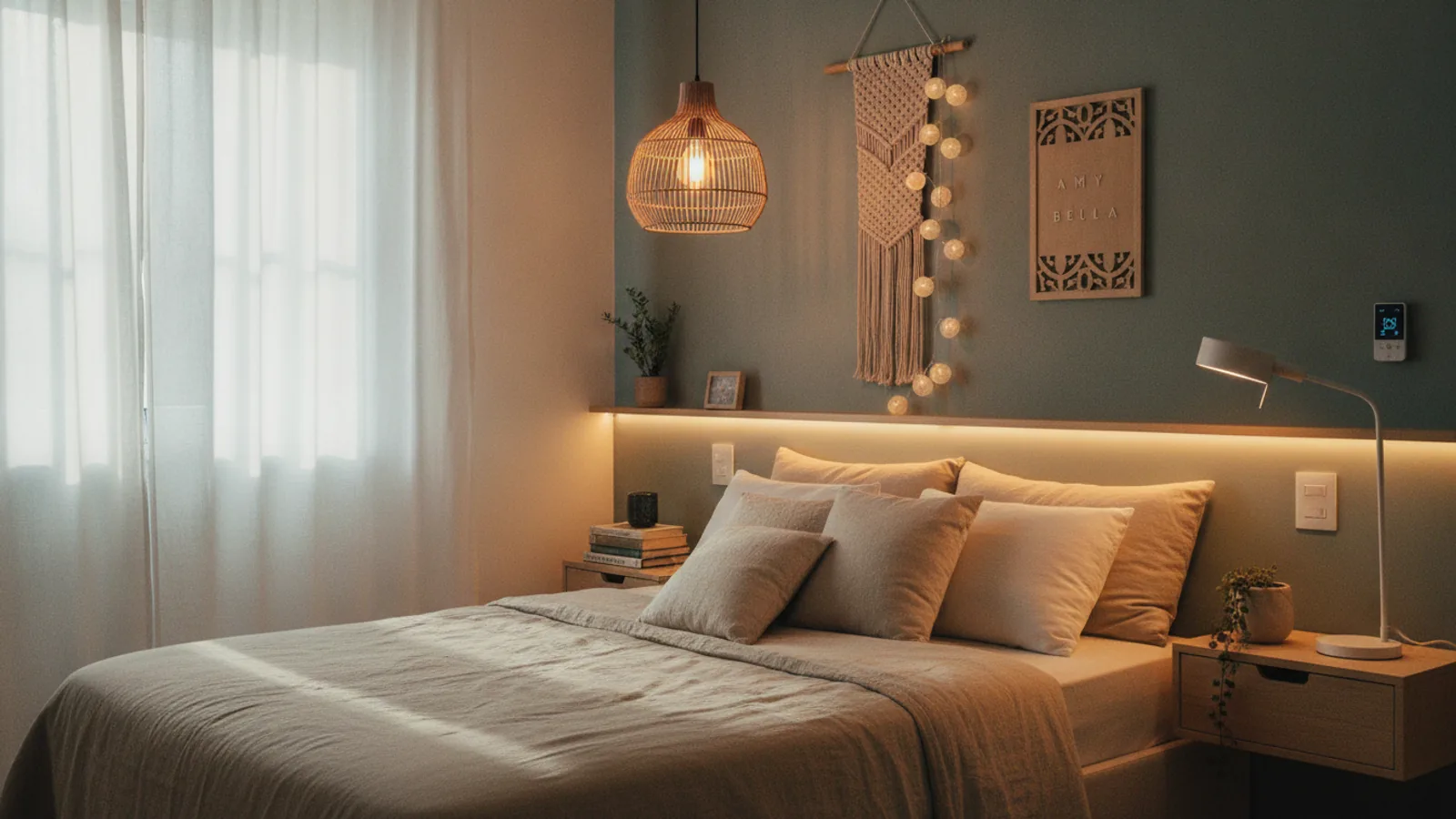
Small Bedroom Organisation Ideas
A practical step-by-step guide to small bedroom organisation ideas, including preparation, instructions, common issues, tips, and next steps.

Small Bedroom Organisation Ideas
Feeling cramped in a small bedroom is a common problem, but you don't need a bigger house to feel more comfortable. This guide provides a clear, step-by-step process for organizing a small bedroom to maximize space and create a calm, functional retreat. By systematically decluttering, planning your layout, and using smart storage techniques, you can transform your room from chaotic to serene. This advice is for anyone ready to tackle clutter and reclaim their personal space, no matter how small it is.
Fast Answer
- First Step: Completely empty your closet and drawers to see what you truly own.
- Key Principle: Use vertical space—walls are your best friend for storage.
- Smartest Swap: Replace bulky furniture with multi-functional pieces like a storage bed or ottoman.
- Biggest Mistake: Buying storage containers before you declutter and measure your space.
Before You Start
Proper preparation is the key to a smooth and successful bedroom organization project. Gathering your supplies ahead of time means you can stay focused on the task without unnecessary interruptions. This initial planning phase prevents frustration and helps you make thoughtful decisions instead of rushing.
- Sorting Bins or Boxes: Label four boxes: Keep, Donate/Sell, Trash, and Relocate (for items that belong in another room).
- Cleaning Supplies: All-purpose cleaner, cloths, vacuum cleaner with attachments, and wood polish if needed.
- Measuring Tape: Essential for checking furniture dimensions and planning your layout.
- Notebook and Pen: To jot down measurements, ideas, and a list of any storage items you might need to buy later.
- Basic Toolkit: A screwdriver and hammer can be useful for assembling new storage or adjusting existing furniture.
Step-by-Step Instructions
Declutter and Sort Everything
The most important step in any organization project is to get rid of what you don't need. You cannot organize clutter. Start with one area, like your closet or dresser, and take everything out. Handle each item individually and decide which of your four boxes it belongs in: Keep, Donate/Sell, Trash, or Relocate.
Be honest with yourself. For clothing, a good rule is to let go of anything you haven't worn in the last year, doesn't fit, or is damaged beyond repair. For other items, ask yourself if they are useful, beautiful, or have sentimental value. This process can feel overwhelming, so work in short bursts of 20-30 minutes if you need to. The goal is to only put back the items you truly love and use.
Deep Clean the Empty Space
Once an area is empty, take the opportunity to give it a thorough cleaning. Dust shelves, wipe down the inside of drawers, and vacuum the floors, especially in corners and under furniture. A clean space feels larger and more inviting, providing a fresh foundation for your newly organized room.
Use a vacuum attachment to get into tight spots in your closet and drawers. Wiping surfaces with a damp cloth removes lingering dust that can make clothes and items feel less than fresh. This step might seem skippable, but it makes a significant psychological difference and marks a true fresh start for your bedroom.
Plan Your Layout and Create Zones
Before putting anything back, look at your empty (or emptier) room and think about how you use it. Your bedroom likely has several "zones," even if they overlap. These are typically a sleeping zone (your bed), a dressing zone (closet and dresser), and maybe a small work or relaxation zone.
Use your measuring tape and notebook to sketch a simple floor plan. Consider the flow of traffic. Can you walk easily from the door to the bed and the closet? Is there a better arrangement for your furniture? Sometimes, simply moving a bed to a different wall can open up the room dramatically. The goal is to create a layout that feels logical and maximizes open floor space.
Maximize Your Vertical Space
In a small room, floor space is precious. The best way to create more storage is to go up. Your walls offer a huge amount of untapped potential. Look for opportunities to install floating shelves for books and decor, or a tall, narrow bookshelf instead of a short, wide one.
Consider wall-mounted lamps instead of table lamps to free up space on your nightstand. A hanging fruit basket can be repurposed to hold small accessories, scarves, or toiletries. Over-the-door organizers are fantastic for storing shoes, accessories, or even cleaning supplies, keeping them out of sight but easily accessible.
Utilize Under-the-Bed Storage
The space under your bed is one of the best places for storing items you don't need every day. This is ideal for out-of-season clothing, extra bedding, or shoes. Use shallow, rolling containers designed specifically for this purpose to make access easy.
If you don't have specialized containers, shoe boxes work well. For soft items like sweaters or blankets, vacuum-sealed bags are an excellent choice. They compress bulky items to a fraction of their size, allowing you to store much more. If your bed frame is too low to the ground, consider using bed risers to create extra clearance and unlock this valuable storage area.
Choose Smart, Multi-Functional Furniture
When every square inch counts, make your furniture work double duty. A bed with built-in drawers is one of the best investments for a small bedroom. An ottoman with a removable lid can serve as seating, a footrest, and a hidden storage chest for blankets or books.
Instead of a traditional desk, look for a floating or wall-mounted desk that can be folded away when not in use. A full-length mirror that also has hidden jewelry storage behind it is another clever, space-saving solution. Before buying any new piece, ask yourself if it can serve more than one purpose.
Organize Your Closet Methodically
A cluttered closet can make the whole room feel messy. To maximize closet space, start by swapping out bulky hangers for slim, velvet-covered ones. They take up less space and prevent clothes from slipping off. Arrange your clothes by category (shirts, pants, dresses) and then by color within each category. This makes it much faster to find what you're looking for.
Use closet dividers on the rod to keep categories separate. Add a second tension rod below the first to double your hanging space for shirts and folded pants. Use clear bins on shelves for folded sweaters or accessories so you can see what's inside without having to pull them all down.
Implement Small-Scale Storage Solutions
The final details can make a big difference. Use drawer dividers to bring order to your socks, underwear, and accessories. A messy "junk drawer" can be tamed with a simple cutlery tray. Use small, attractive dishes or trays on top of your dresser to corral keys, jewelry, and loose change.
Install hooks on the back of your door or on an empty stretch of wall to hang bags, robes, or tomorrow's outfit. A magnetic strip mounted on the wall can be a great place to keep bobby pins, tweezers, and nail clippers organized and within reach.
Establish a Maintenance Routine
Your hard work will only last if you create habits to maintain it. The most effective rule is the "one-in, one-out" policy: for every new item you bring into the room, one old item must go. This prevents the slow creep of clutter.
Spend 5-10 minutes before bed each night putting things back where they belong. Hang up the clothes you wore, put books back on the shelf, and clear off your nightstand. This small, consistent effort is far easier than facing a massive reorganization project every few months.
Quick Reference
| Situation | Use This | Why |
|---|---|---|
| Clothes piled on a chair | A designated hook | It gives "not dirty, not clean" clothes a home that isn't furniture or the floor. |
| Cluttered nightstand | A wall-mounted shelf or light | It frees up the entire surface for essential items like a glass of water or a book. |
| Can't find matching shoes | A hanging shoe organizer | It uses vertical door space and keeps pairs together and visible. |
| Messy drawers | Drawer dividers or small boxes | They create compartments, preventing items from becoming a jumbled pile. |
| Too many books, not enough space | Floating wall shelves | They provide storage without taking up any valuable floor space like a traditional bookcase. |
Common Problems When You Organize a Small Bedroom
Even with the best plan, you might run into a few common hurdles. Here’s how to troubleshoot them.
- Feeling Overwhelmed: The task of decluttering an entire room at once can feel paralyzing.
Solution: Don't try to do it all at once. Break the project down into very small, manageable tasks. For example, decide to organize just one drawer today. Tomorrow, tackle a single shelf in your closet. Celebrating these small wins will build momentum and make the process feel achievable. - Sentimental Clutter: You have items you don't use but can't bear to part with because of their sentimental value.
Solution: You don't have to get rid of everything. Designate one specific, small box as your "memory box." If an item fits, you can keep it. If not, take a photo of it to preserve the memory without taking up physical space. This forces you to prioritize what's truly most important. - Running Out of Space (Again): You've decluttered and organized, but things still feel tight.
Solution: Re-evaluate your use of vertical and hidden storage. Is there an empty wall where you could add shelves? Can you add risers to your bed to create more storage underneath? Often, there are overlooked opportunities to tuck things away more efficiently.
Advanced Tips for Small Bedroom Organisation
Once you've mastered the basics, these advanced strategies can take your small space to the next level.
- Use a Cohesive Color Palette: A light, neutral color palette (like whites, soft grays, and beiges) makes a room feel larger and more open because light colors reflect more light. Using just two or three complementary colors creates a sense of calm and reduces visual clutter.
- Leverage the Power of Mirrors: A large mirror can visually double the size of your room. Placing a mirror across from a window is particularly effective, as it reflects natural light and the view, making the space feel brighter and more expansive.
- Go Digital: Paper is a major source of clutter. Scan important documents, receipts, and old photos and store them digitally in the cloud. This can free up an entire drawer or filing cabinet's worth of space.
- Adopt a Capsule Wardrobe: This is a minimalist approach where you curate a small collection of essential, versatile clothing items that you love to wear. It dramatically reduces the amount of clothing you need to store and makes getting dressed each day simpler and faster.
Small Bedroom Organisation Ideas FAQ
How can I make my small bedroom look bigger without buying new furniture?
Start by decluttering aggressively—less stuff automatically makes a room feel larger. Then, maximize natural light by using sheer curtains instead of heavy drapes. A strategically placed large mirror can also create a powerful illusion of depth. Finally, ensure your lighting is layered; use an overhead light, a task light (like a reading lamp), and perhaps an accent light to make the room feel bright and airy.
What is the single best piece of storage for a small bedroom?
While it depends on your specific needs, a bed with built-in drawers is often considered the most impactful storage solution. It utilizes a large, otherwise-wasted space for bulky items like bedding, sweaters, and shoes without taking up any additional floor space. It combines your largest piece of furniture with significant storage capacity.
How often should I organize my bedroom?
Aim for a deep declutter and organization session once or twice a year (spring and fall are popular times). More importantly, practice daily and weekly maintenance. A 5-minute tidy-up before bed each night and a 15-minute "reset" once a week to put everything back in its designated place will prevent clutter from building up again.
Final Checklist for Small Bedroom Organisation
You've done the hard work! Use this final checklist to ensure you've covered all the key steps for a beautifully organized and functional small bedroom.
- All items have been sorted into Keep, Donate, Trash, or Relocate piles.
- Unwanted items have been removed from the room (and preferably the house).
- All surfaces, drawers, and floors have been deep cleaned.
- The furniture layout has been optimized for flow and open space.
- Vertical storage (shelves, tall furniture) is being used effectively.
- The space under the bed is being used for storage.
- Closet storage is maximized with slim hangers and organizers.
- Small items are contained in drawer dividers, trays, or hooks.
- A "one-in, one-out" rule and a regular tidying schedule are in place.