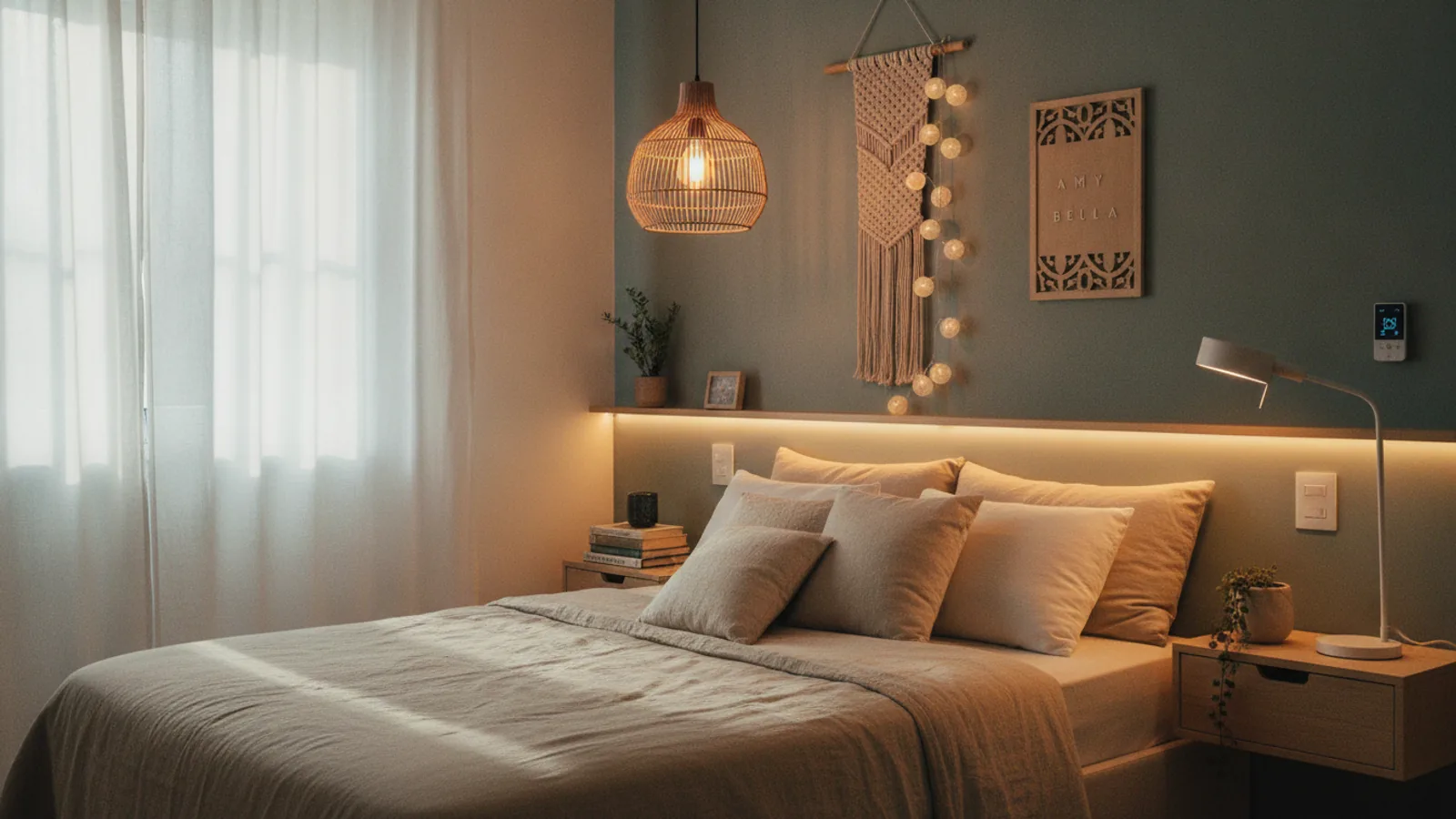
Small Bedroom Storage Ideas
A practical step-by-step guide to small bedroom storage ideas, including preparation, instructions, common issues, tips, and next steps.

Small Bedroom Storage Ideas
Feeling cramped in a small bedroom? The right storage strategy can transform a cluttered space into a calm and functional retreat. This guide provides a step-by-step process for rethinking your room, decluttering effectively, and using clever solutions to maximize every square inch. We'll cover everything from using vertical space to choosing multi-functional furniture, giving you a clear plan to create a bedroom that feels organized, spacious, and comfortable, no matter its size.
Fast Answer
- Key Principle: Declutter ruthlessly before you buy or build any storage.
- Best Strategy: Utilize vertical space on walls and hidden space under the bed.
- Smartest Investment: Choose furniture that serves more than one purpose, like a bed with drawers.
Before You Start
Proper preparation is the key to a successful bedroom organization project. Gathering your tools and thinking through the process beforehand will save you time and prevent headaches later. This isn't just about buying containers; it's about creating a system that works for you and your space.
- Measuring Tape: Essential for checking dimensions for furniture and shelving.
- Notepad and Pen (or a digital equivalent): To sketch your room layout and jot down measurements.
- Sorting Boxes or Bags: Label four containers: Keep, Donate, Trash, and Relocate.
- Basic Toolkit: If you plan to install shelves, have a drill, level, screwdriver, and appropriate wall anchors ready.
- Cleaning Supplies: A vacuum, dust cloths, and cleaner for wiping down surfaces and floors as you go.
Step-by-Step Instructions
Follow these steps in order to systematically reclaim your bedroom. The goal is not just to hide your stuff, but to create a logical, easy-to-maintain system that makes your daily routine smoother.
Assess and Measure Your Space
Before moving a single thing, you need a clear understanding of what you're working with. This "mapping" phase helps you identify opportunities you might otherwise overlook.
Start by drawing a simple, rough sketch of your bedroom's floor plan on your notepad. It doesn't need to be perfect. Mark the locations of the door, windows, closet, and any existing large furniture like your bed and dresser. Then, use your measuring tape to find the dimensions of the entire room, as well as the specific measurements of empty wall sections, the space under your bed (height, width, and depth), and the inside of your closet.
Note these numbers directly on your sketch. Look for "dead zones"—awkward corners, the wall space above your headboard, or the area behind your door. These are prime candidates for new storage solutions.
Perform a Thorough Declutter
You cannot organize clutter. This is the most critical and often the most difficult step. The goal is to only keep things in your bedroom that you truly need, use, or love. Be honest and decisive.
Set up your four labeled boxes: Keep, Donate, Trash, and Relocate (for items that belong in another room). Work through one area at a time—the closet, then the dresser, then the nightstand. Pick up every single item and decide which box it goes into. Do not create a "maybe" pile. If you haven't worn a piece of clothing in over a year, it's probably time to donate it. If an item is broken or expired, trash it.
This process reduces the sheer volume of stuff you need to find a home for, making the rest of the job significantly easier. Once you're done, immediately take the trash out, put the donate box in your car, and return the "relocate" items to their proper rooms.
Go Vertical: Maximize Wall Space
In a small room, the floor is prime real estate. The best way to free it up is to move storage upward. Your walls offer a huge amount of untapped potential.
Consider installing floating shelves above your desk or dresser to hold books, small plants, or decorative boxes. A set of tall, narrow bookcases can hold a surprising amount without taking up much floor space. For a more versatile option, a pegboard system can be customized with shelves, hooks, and baskets to organize accessories, jewelry, or craft supplies.
Using vertical space not only adds storage but also draws the eye upward, which can make the room feel taller and more open. When placing shelves, think about function. Place frequently used items on lower, easily accessible shelves and store less-used items higher up.
Optimize Under-Bed and Closet Storage
The space under your bed and inside your closet are storage powerhouses, but they are often used inefficiently. With the right tools, you can double their capacity.
For the area under your bed, use shallow containers with wheels for easy access. These are perfect for storing extra shoes, off-season clothing, or spare bedding. Vacuum-sealed bags are another excellent tool; they can shrink bulky items like comforters and sweaters to a fraction of their size.
Inside your closet, look for ways to add structure. If you just have a single rod and a high shelf, you're wasting space. Add a second hanging rod below the first to double your hanging space for shirts and pants. Place a small dresser or a set of modular drawers on the closet floor. Use hanging closet organizers with cubbies for sweaters and bags.
Choose Multi-Functional Furniture
Every piece of furniture in a small bedroom should work hard. Whenever possible, choose pieces that offer built-in storage or serve more than one purpose.
A storage bed with built-in drawers underneath is the ultimate space-saver, combining your largest piece of furniture with a full-size dresser. A storage ottoman at the foot of the bed can hold extra blankets while also providing a place to sit. Instead of a traditional nightstand, consider a small desk that can double as a workspace or a small cabinet with doors to hide clutter.
When you're shopping for furniture, always ask yourself: "Can this do more than one thing for me?" This mindset shift helps you furnish your room with intent and efficiency.
Utilize "Hidden" Nooks and Crannies
Look for the overlooked spots in your room. The back of your door, the corners, and the narrow space between furniture and a wall can all be put to work.
An over-the-door organizer is incredibly versatile. A clear pocket organizer, traditionally for shoes, is perfect for holding scarves, belts, toiletries, or charging cables. Hook-based organizers can hold jackets, bags, or towels. Corner shelving units are designed specifically to turn an awkward, empty corner into a functional display or storage area. Slim, rolling carts can slide into the tight space next to your dresser or bed to hold books, a water bottle, and other bedside essentials.
Systematize Your Drawers and Surfaces
Now that you have the large-scale storage in place, it's time to organize the smaller details. Unorganized drawers and cluttered surfaces can make an otherwise tidy room feel messy.
Use drawer dividers to neatly separate socks, underwear, and t-shirts. This not only keeps things tidy but also lets you see everything you have at a glance. You can buy adjustable dividers or use small boxes to create your own custom layout. For surfaces like your dresser top or nightstand, use a decorative tray to corral small items like keys, watches, and chapstick. This defines a "landing spot" for these items and prevents them from spreading out and creating visual noise.
The golden rule for surfaces is to keep them as clear as possible. A clean surface makes a room feel instantly larger and more peaceful.
Establish a Maintenance Routine
Your hard work will be undone in a few weeks if you don't have a plan to maintain it. A simple system can prevent clutter from creeping back in.
The most effective method is the "One In, One Out" rule. For every new item you bring into the room (like a new shirt or book), you must remove one old item. This forces you to constantly evaluate your belongings and prevents accumulation. Also, schedule a quick 5-minute tidy-up each evening before bed. Put clothes away, clear off your nightstand, and put things back where they belong. This small habit makes a huge difference and prevents messes from building up.
Quick Reference
| Situation | Use this | Why |
|---|---|---|
| Storing bulky winter sweaters or bedding | Vacuum-sealed storage bags | Dramatically reduces volume and protects items from dust and moisture. |
| Piles of books and decor on the floor | Tall, narrow bookcases or floating shelves | Uses vertical wall space, freeing up valuable floor area. |
| Messy jewelry, cables, or small accessories | An over-the-door organizer with clear pockets | Keeps small items visible, contained, and easy to grab without using drawer or surface space. |
| Needing both a seat and a place for extra blankets | A storage ottoman | Provides multi-functional value in a single footprint. |
| Unorganized clothing in a deep drawer | Adjustable drawer dividers | Creates structure and allows you to see all your clothes at once, making it easier to find things. |
Common Problems When Implementing Storage Ideas
Even with a great plan, you might run into a few common issues. Here’s how to troubleshoot them.
- The room feels more crowded with the new storage units.
This often happens when storage items are dark or visually heavy. To fix this, choose storage solutions in a color that matches your walls. This helps them blend in and feel less intrusive. Also, opt for furniture with legs (like a dresser on tall legs) to create visible floor space underneath, which gives an illusion of openness.
- You can't drill holes in the wall (e.g., you're renting).
You can still go vertical without a drill. Look for tension pole shelving systems that run from floor to ceiling and are held in place by pressure. Freestanding, ladder-style bookcases are another excellent option, as they lean securely against the wall without needing to be anchored.
- Your new storage bins have just become black holes for junk.
Out of sight shouldn't mean out of mind. The key to preventing this is labeling. Use a label maker or simple masking tape and a marker to clearly label the outside of every box, bin, and container. For larger bins, use smaller dividers or pouches inside to keep contents separated and organized.
Advanced Tips for Small Bedrooms
Once you've mastered the basics, these advanced strategies can take your organization to the next level.
- Create a "Storage Map." For items you store away seasonally (like holiday decorations or winter coats), draw a simple map of your storage areas (under the bed, top of the closet) and list what is in each container. Tape it to the inside of your closet door. This saves you from having to pull out ten boxes to find one specific item.
- Use a Cohesive Color Palette. By using storage bins, boxes, and hangers that are all the same color or from a limited color palette, you create a sense of visual calm. An assortment of mismatched containers can look cluttered, even when it's perfectly organized.
- Install Strategic Lighting. A dark closet or a shadowy corner can make it hard to see what you have. Use battery-powered, motion-activated LED puck lights or light strips. Stick them under shelves, along the inside of your closet door frame, or inside deep drawers to instantly illuminate your storage.
- Consider a Loft Bed. In very small rooms, especially for students or in studio apartments, a loft bed is the ultimate space creator. It lifts your sleeping area off the floor, opening up a significant amount of space underneath for a desk, a reading nook, or a full-sized dresser and shelving system.
Small Bedroom Storage Ideas FAQ
How can I make my small bedroom look bigger visually?
What is the absolute first step to organizing a small bedroom?
Are storage beds with drawers worth the investment?
What's the best way to store shoes in a small bedroom?
Final Checklist for Small Bedroom Storage Ideas
Before you call the project complete, run through this final checklist to ensure you’ve covered all the bases and set yourself up for long-term success.
- You have measured your room and all potential storage areas.
- All belongings have been sorted into Keep, Donate, Trash, or Relocate piles.
- Vertical spaces (walls) and "hidden" spaces (under the bed, behind the door) have been utilized.
- You have chosen multi-functional furniture where possible.
- All storage containers and drawers are organized with dividers and clear labels.
- Surfaces like the dresser and nightstand are mostly clear and uncluttered.
- A maintenance plan, like the "One In, One Out" rule, is in place.
- You have a designated "home" for every single item that remains in the room.